Women’s History Month • The Modern Green Editorial
Before the Algorithm: The Black Women Who Built America’s Travel Infrastructure
Long before “verified listings,” “trusted reviews,” and “discoverability” became platform language, Black women were already building the systems that made mobility safer—through hospitality, entrepreneurship, and community-rooted networks.
By The Modern Green Editorial Desk • Published for Women’s History Month
Women’s History Month and the business of mobility
Women’s History Month often celebrates visibility—firsts, breakthroughs, and milestones. Less discussed is infrastructure: the quiet, practical systems that allow people to move through the world with confidence. During the Jim Crow era, that infrastructure included printed guides, word-of-mouth verification, and community-run safe havens.
The Negro Motorist Green Book is frequently associated with its publisher, Victor Hugo Green. But a growing body of documentation shows that women—especially Alma Duke Green—played an essential role in shaping, sustaining, and operationalizing the guide, including leadership and editorial credit in the later years. (See sources in Notes.) [1] [2] [3]
In modern terms, these women solved for verified discovery—reducing risk, closing information gaps, and creating reliable pathways through an unequal travel economy.
1) The strategist behind the guide: Alma Duke Green
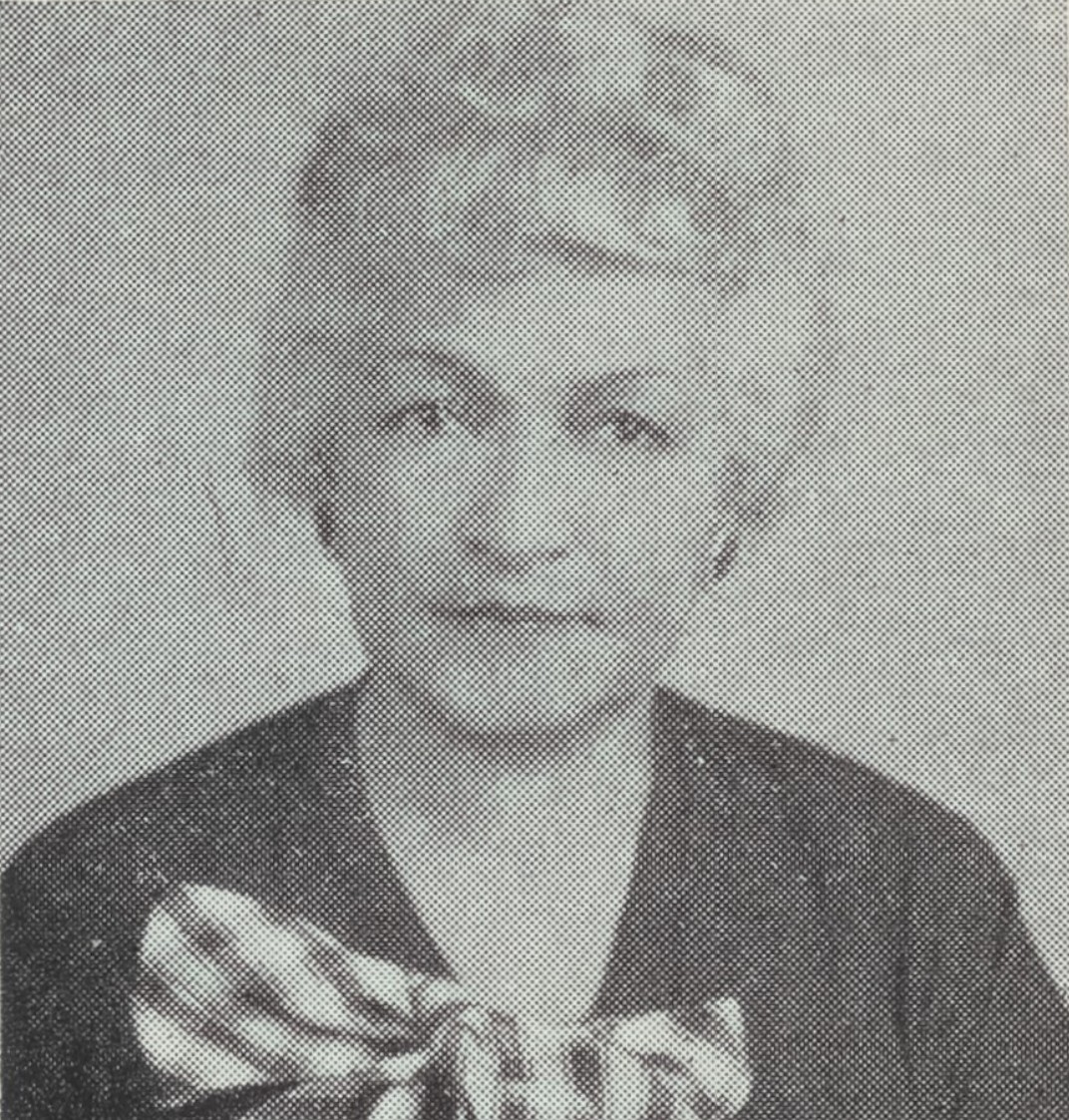
The Green Book was more than a directory. It functioned as a coordination mechanism—turning fragmented local knowledge into actionable information at scale. Alma Duke Green’s contribution matters because it clarifies what the project truly was: not simply publishing, but trust engineering. [2]
What the record shows
- Alma Duke Green is described as playing a significant role in the Green Book’s creation and evolution, even if not always credited early on. [1]
- By 1959, the Green Book masthead listed Alma as editor/publisher in multiple accounts, underscoring women’s leadership in later editions. [3] [2]
- In the later years, editing staff was described as almost entirely made up of women—rare for the era. [4]
For today’s Black women travelers, the underlying question remains strikingly consistent: Can I trust what I’m seeing before I arrive? The technology changed. The requirement for reliable, culturally competent discovery did not.
The Modern Green is built in that lineage. Not as a booking engine, but as discovery infrastructure—organizing trusted vendors, culturally-rooted experiences, and practical travel context so travelers don’t find “the best parts” after the trip is over.
2) The original network model: Madam C.J. Walker
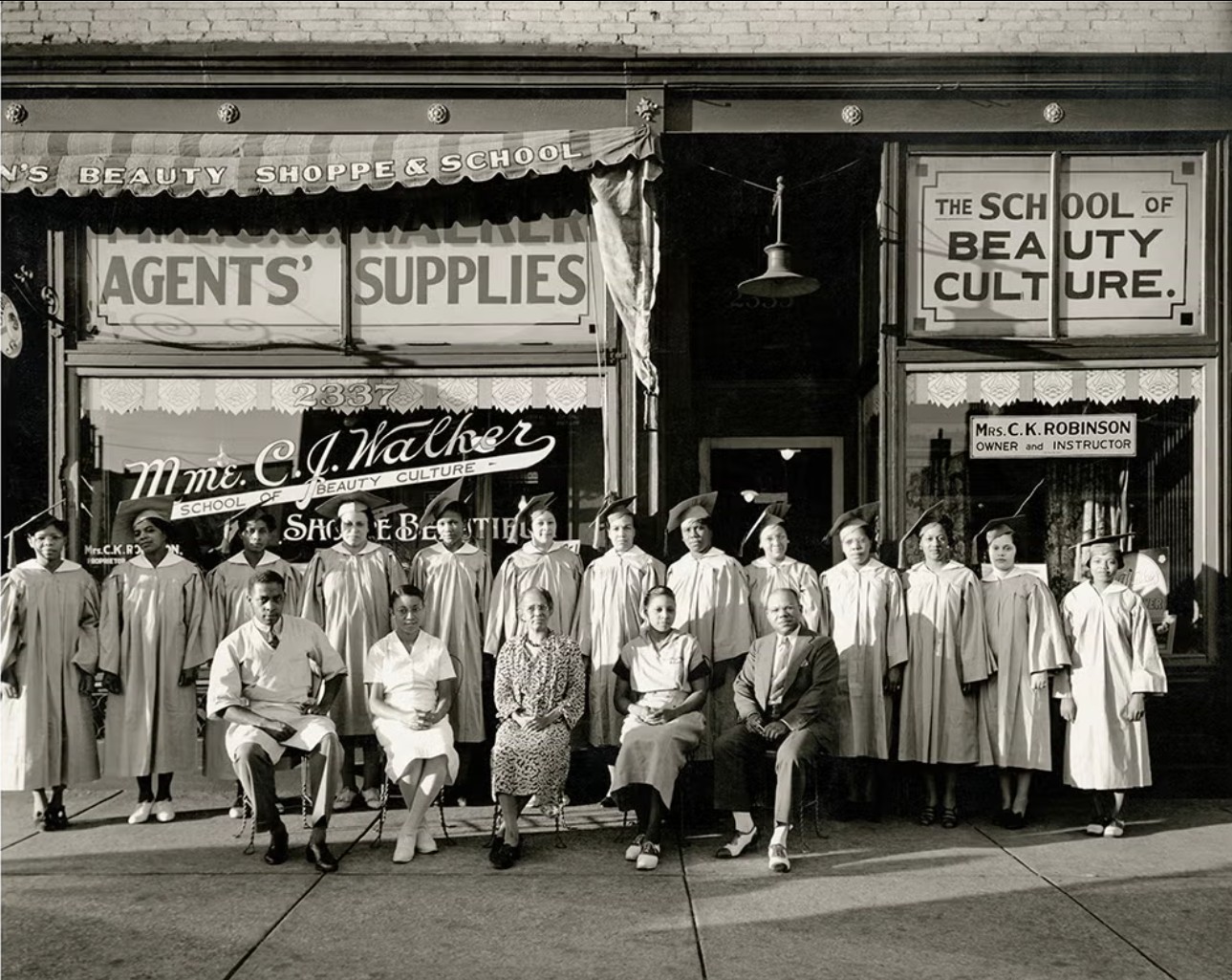
Walker’s legacy is often summarized as wealth and “firsts.” The more strategic lesson is structure: she scaled trust through people. By building a distributed sales and training network of Black women, she created a system that moved knowledge, economic opportunity, and social capital across cities.
That blueprint maps cleanly onto modern platform logic: the strongest marketplaces are not built only on inventory. They are built on credible networks—contributors, validators, and community-based operators who give a platform signal strength where algorithms are weak.
Modern Green parallel: travelers, ambassadors, and community contributors act as the trust layer—helping surface small, community-rooted providers that traditional travel channels often miss.
3) Training women to own the system: Annie Turnbo Malone
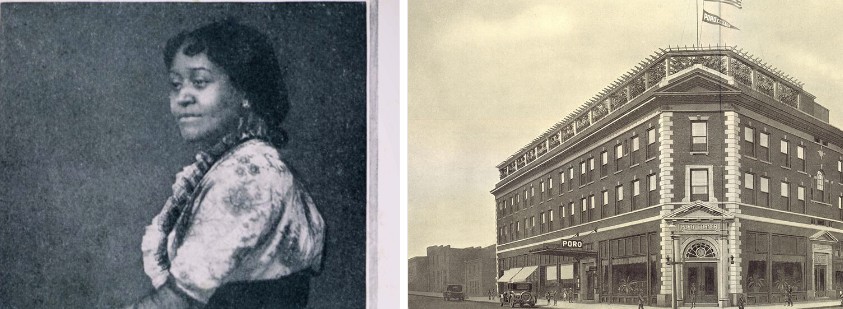
Malone’s enduring insight is that individual success scales only when people are trained to operate the system. Her work is frequently cited in the context of beauty entrepreneurship, but the operational takeaway is broader: she professionalized opportunity for other women—helping them establish stability, independence, and repeatable business practices. [2]
Modern Green parallel: visibility is not charity—it’s infrastructure. When women-led local providers become discoverable early (not after the trip), the economic impact is more consistent, especially outside peak season.
What this history signals for modern travel
The Green Book’s real innovation wasn’t paper. It was precision—transforming lived experience into usable, verified decision support. In today’s travel economy, “content” is abundant, but trusted discovery is still scarce—especially when travelers care about neighborhood-level safety, cultural competence, and vendor legitimacy.
Then
Printed listings reduced risk and protected dignity in a hostile travel market.
Now
Digital discovery should reduce risk, improve access, and surface community-rooted providers at the start of the trip.
A Women’s History Month close
Women’s History Month should not only celebrate visibility—it should recognize infrastructure. Alma Duke Green, Madam C.J. Walker, and Annie Turnbo Malone each represent a different version of the same strategic truth: when systems aren’t built for you, you build your own.
The Modern Green is a modern continuation of that doctrine—a trust-first discovery platform designed to help Black women travelers move through the world with more clarity, confidence, and community-validated options.
Notes & sources
- A Bit of History Blog — “The Mother of the Green Book, Ignored by History” https://abitofhistoryblog.com/2019/03/25/the-mother-of-the-green-book-ignored-by-history/
- TIME — “The Remarkable Black Businesswomen Who Found Success in Segregated America” https://time.com/5753893/green-book-women/
- National Association of Letter Carriers (PDF) — “The Green Book: The forgotten story of one carrier’s legacy…” https://www.nalc.org/news/the-postal-record/2013/september-2013/document/09-2013_green-book.pdf
- Smithsonian — Negro Motorist Green Book (Virtual Exhibit: Traveling) https://negromotoristgreenbook.si.edu/virtual-exhibit/traveling/

Author: David
Founder of The Modern Green connecting travelers with trusted local experiences worldwide. “We gon’ take you all around the world.